Investment and Finance
Opportunities
These are sponsorship opportunities, not financial investments, loans or donation appeals. A Project Sponsor leads and manages a project with Project Earth. Each listing has been approved for publication by Project Earth.
Loading opportunities…
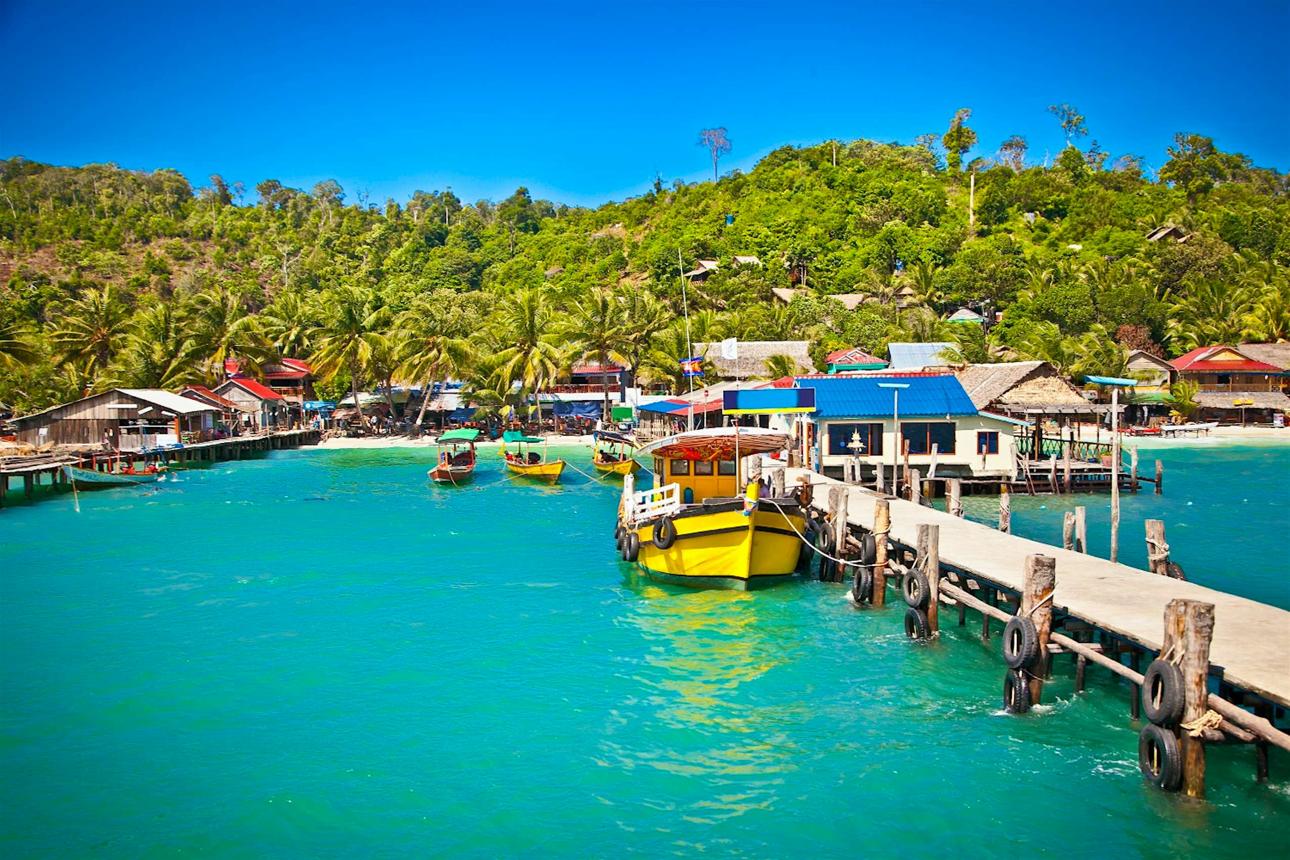
Commercial Wharf — Taveuni, Fiji
Development of a commercial wharf in or near Matei, on the island of Taveuni, Fiji, providing convenient access to Matei Airport. The facility would accommodate local fishing vessels, tourist boats and charter operators, supporting maritime activity and improving connections between sea and air transport.
Preliminary concept · Seeking Project Sponsor
View Opportunity Details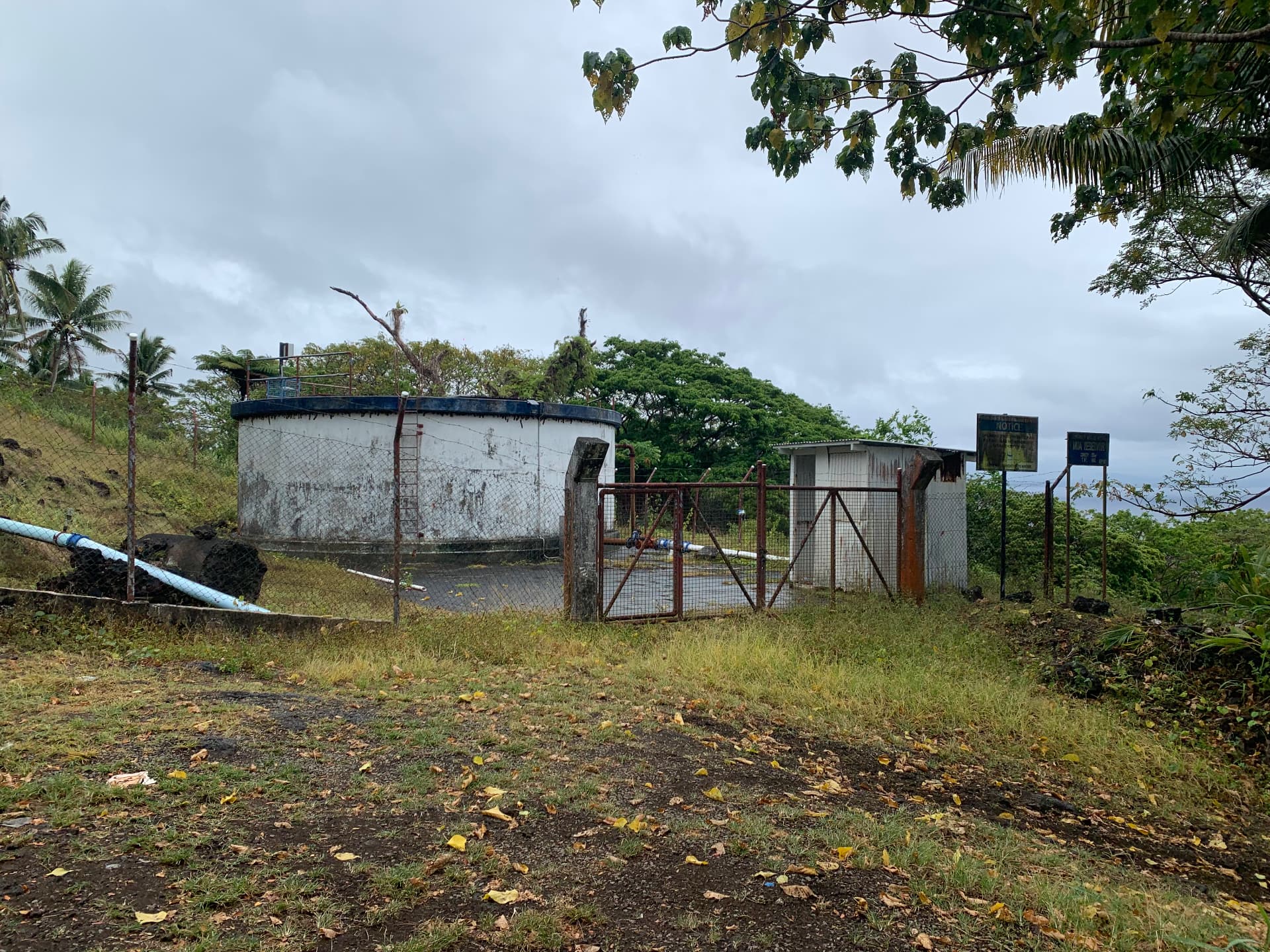
Taveuni Water — Community Water Supply and Distribution
Taveuni has substantial freshwater resources, but communities can experience shortages because collection, storage and distribution infrastructure is inadequate. Project Earth proposes investigating a community water network for participating villages and residents.
Preliminary concept · Seeking Project Sponsor
View Opportunity Details
Taveuni Classic Yacht Charter Business
Establish a locally based classic yacht charter fleet at Matei, Taveuni, Fiji, operating from a suitable existing wharf. No new wharf construction is proposed. The fleet would comprise the flagship 1976 Millkraft classic motor yacht Sea Breeze III, about 100 feet, plus two classic timber sailing yachts of about 50 feet.
Preliminary concept · Seeking Project Sponsor
View Opportunity Details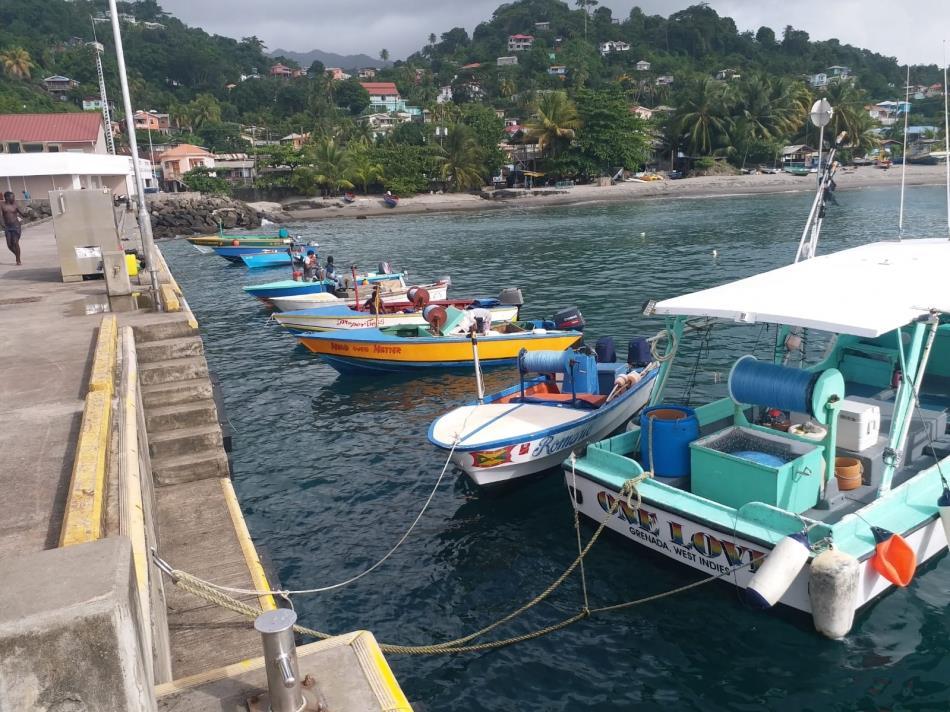
Taveuni Commercial Fishing Enterprise
A locally owned Fijian commercial fishing enterprise based at Matei, Taveuni, starting with one offshore-capable vessel and expanding over time into diversified, permitted fisheries. The focus is on quality, yield and responsible handling for premium Asian export markets, complemented by domestic resort and wholesale sales.
Preliminary concept · Seeking Project Sponsor
View Opportunity DetailsFinance
Each sponsored project has its own donation threshold, approved by Project Earth. Only verified donations actually received count; pledges do not. Once a project reaches its threshold, Project Earth may separately approve inviting microfinance in addition to the donations already received.
In Development
Register as a FinancierFinancier registration: In Development. For now, please send an enquiry with the subject "Financier registration" and Project Earth will keep your details privately.
Finance Resources
1. Helping Communities Build Financial Independence
Project Earth intends to develop a microfinancing programme once its initial community projects have been successfully established and are operating. The programme would enable Project Sponsors with a proven record of reliable project delivery to seek finance for additional community infrastructure projects and socially focused business enterprises. The central idea is to combine charitable donations with repayable project finance, allowing relatively modest donations to support the development of larger projects. Where projects generate ongoing revenue, that income may help cover operating costs, maintain infrastructure and repay the finance used to establish them. The long-term objective is to help communities develop sustainable services, employment opportunities and local businesses, progressively reducing their dependence on charitable donations.
2. Combining Donations with Project Finance
Donations can provide the initial capital contribution required to secure additional project finance. For example, a community infrastructure project costing $500,000 might receive $100,000 in donations and obtain the remaining $400,000 through project finance. The donations would not require repayment. The borrowed funds would be repaid over time from the project's operating revenue, subject to the agreed financing arrangements. This approach could enable Project Earth to support more substantial infrastructure projects than would be possible through donations alone. All donations must be used consistently with their stated purpose, and financing arrangements must be properly approved.
3. How Projects Generate Revenue
Some community projects can generate income after construction is completed. Revenue may come from:
- Affordable user fees for community services.
- Electricity or water tariffs.
- The sale of agricultural or manufactured products.
- The sale of electricity or other productive capacity.
- Storage, processing or transport services.
- Socially focused business activities.
Revenue would first need to support essential operating expenses, maintenance and appropriate reserves, as well as agreed financing repayments. The objective is not simply to generate profit, but to establish services that remain financially sustainable and affordable for the communities they serve.
4. Opportunities for Established Project Sponsors
Project Sponsors who have successfully delivered projects through Project Earth may eventually become eligible to seek microfinance for further development. Eligibility would depend on demonstrated reliability, responsible financial management, transparent reporting and the ability to prepare a credible project proposal. Finance could support expansion of existing infrastructure, construction of new facilities or the establishment of socially focused businesses. Successful previous delivery would be an important consideration, but would not guarantee finance.
5. Donors as Future Project Financiers
Project Earth also intends to explore opportunities for Donors to participate as Project Financiers. A Donor may choose to provide charitable support without expecting repayment, or separately consider providing repayable project finance with an agreed financial return. Future Project Financiers could potentially help fund projects with identifiable revenue streams, receiving repayments of capital and an appropriate return under formal financing agreements. The proposed return would need to be reasonable, transparent and consistent with the project's capacity to repay while continuing to serve its community. Such financing would involve financial risk, including the possibility of delayed repayment or loss of capital. No returns would be guaranteed. This opportunity would be developed only after the necessary legal, financial and regulatory arrangements have been established.
6. Socially Focused Business Start-ups
Microfinancing could also support new businesses that deliver measurable community benefits. Examples include community-owned agricultural processing facilities, renewable energy services, local transport operations, refrigerated storage, recycling enterprises and small-scale manufacturing. These businesses could generate employment, provide essential services and retain economic activity within their communities. Each proposal would require a viable business model, an identifiable market, realistic operating costs and a credible repayment plan. Business ownership and any private financial benefits would need to be consistent with Project Earth's community purpose and the applicable financing arrangements.
7. The Future Financing Cycle
The proposed programme would operate through the following stages:
- Successful Delivery — A Sponsor establishes a reliable project delivery record.
- Project Proposal — The Sponsor develops a new infrastructure or social enterprise proposal.
- Initial Funding — Donations or other approved capital provide part of the required funding.
- Project Finance — Additional finance may be obtained following independent assessment.
- Project Delivery — The project is constructed, commissioned and brought into operation.
- Revenue Generation — The completed project provides services or sells products.
- Repayment — Operating revenue supports financing repayments.
- Further Development — Repaid capital may support additional community projects.
Explanatory Diagrams
Diagram 1 — Donations Unlock Project Finance
Illustrative example, not an available financing offer: $100,000 Donations + $400,000 Finance = $500,000 Project.
Diagram 2 — Revenue Supports Repayment
A Cycle of Community Development
Once a Project Sponsor has delivered a project successfully, they may be able to borrow money to pay for a new project. The new project is then built and brought into use, and it earns income by providing services or selling products. That income is used to pay the borrowed money back, and money that has been paid back can then help fund further community projects. In short: Proven Sponsor → New Project → Project Finance → Project Delivery → Revenue → Repayment → Further Projects. Successful projects may contribute to further development; financing and outcomes are not guaranteed.